The Ultimate Guide to Choosing Solar Panels for Your Home


Understanding Solar Panel Types
Choosing the right solar panels for your home begins with understanding the different types available. The most common are monocrystalline, polycrystalline, and thin-film solar panels. Monocrystalline panels are known for their efficiency and sleek design, making them a popular choice for residential use. Polycrystalline panels, on the other hand, are generally less expensive but slightly less efficient. Thin-film panels offer flexibility and are often used in unique applications.
Evaluating Solar Panel Efficiency
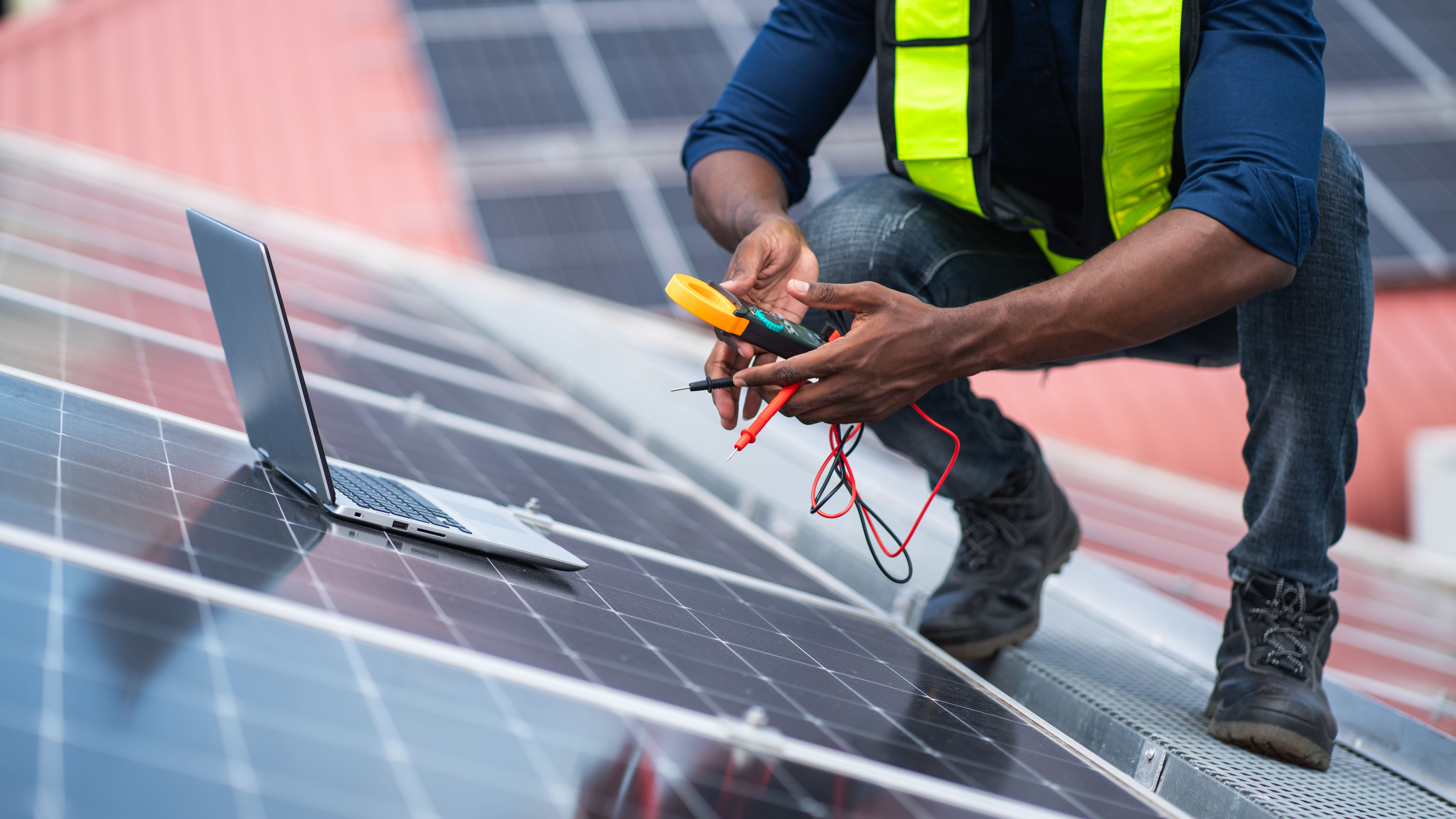
The efficiency of a solar panel refers to its ability to convert sunlight into usable electricity. When considering solar panels, look for ones with higher efficiency ratings, as they will generate more electricity from the same amount of sunlight. This is particularly important if you have limited roof space. Monocrystalline panels typically offer the highest efficiency.
Considerations for Roof Space
Your roof's size, shape, and orientation will significantly impact your solar panel choices. Panels should ideally face south and have minimal shading throughout the day. If roof space is limited, opt for higher efficiency panels to maximize energy production.
Understanding Cost and Budget
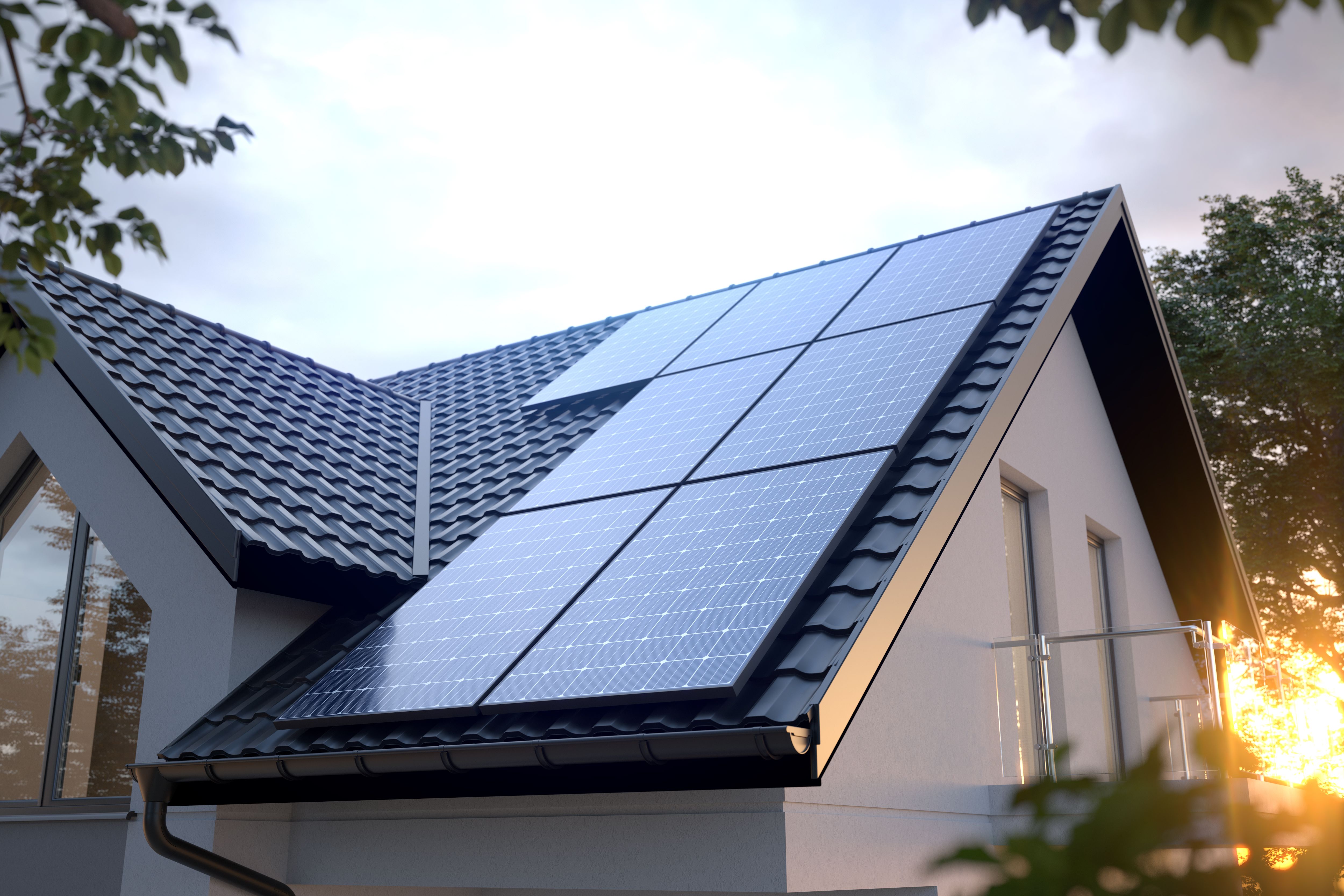
While solar panel prices have decreased over the years, they remain a significant investment. It's essential to consider both the initial cost and the long-term savings on your energy bills. Many solar companies offer financing options, making it easier to spread out the cost over time. Don't forget to explore any available tax incentives or rebates that can further reduce your expenses.
Comparing Warranties
Warranties are a crucial aspect of your solar panel investment. Most panels come with a 25-year performance warranty, ensuring they will produce a certain percentage of their original output over that period. Additionally, check for product warranties that cover defects and workmanship.

Installation and Maintenance
Proper installation is key to maximizing the benefits of your solar panels. Hiring a reputable and experienced installer can prevent potential issues and ensure your system operates efficiently. Regular maintenance, such as cleaning and inspecting for damage, is also important to keep your panels in top condition.
Choosing the Right Installer
When selecting an installer, consider their experience, certifications, and customer reviews. A professional installer will guide you through the process, from obtaining permits to connecting your system to the grid. They will also provide valuable advice on maintenance and performance optimization.