Solar Energy vs. Traditional Energy: A Comprehensive Comparison


Introduction to Energy Sources
In today's rapidly evolving world, energy consumption is at an all-time high. As we strive to meet our growing energy needs, two primary sources dominate the conversation: solar energy and traditional energy. Understanding the differences between these two can help us make informed decisions about our energy consumption and its impact on the environment.
Understanding Solar Energy
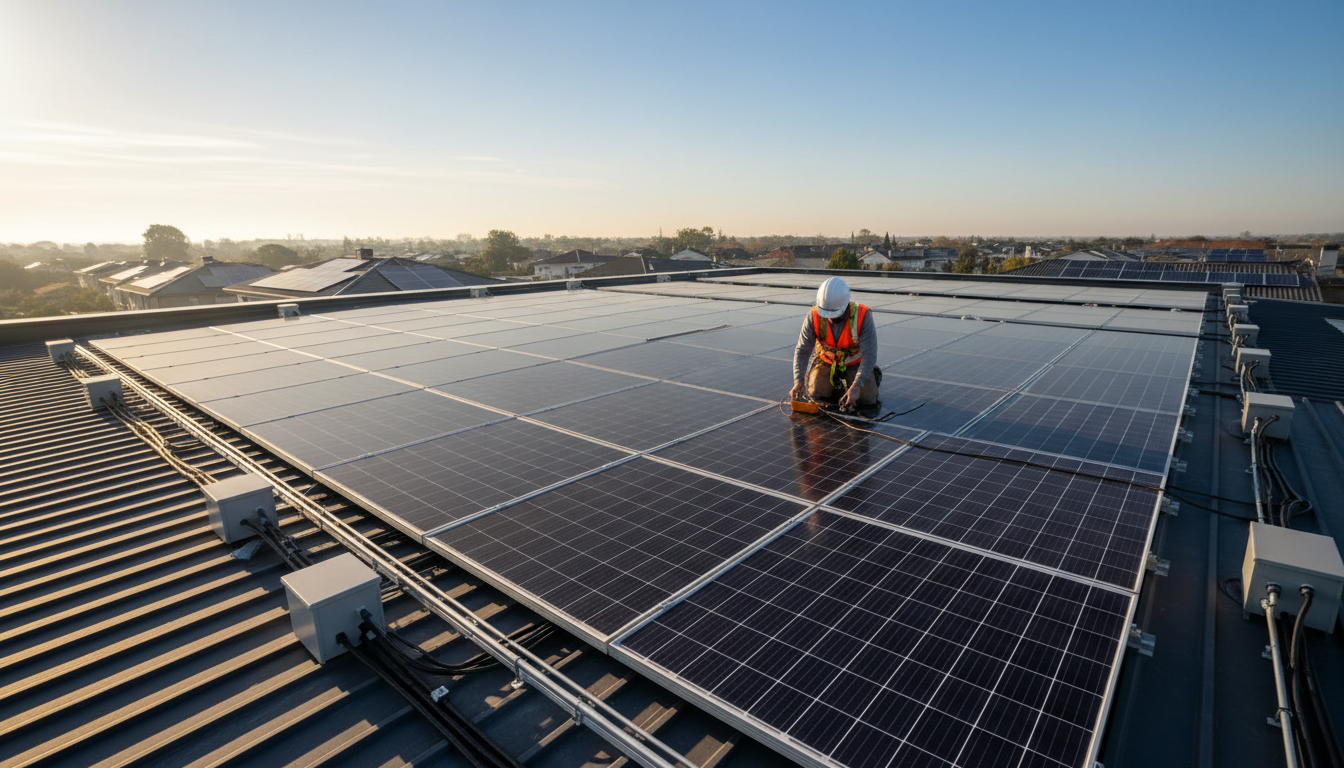
Solar energy harnesses the power of the sun to generate electricity. This renewable source of energy has gained immense popularity due to its sustainability and minimal environmental impact. Solar panels, made up of photovoltaic cells, convert sunlight directly into electricity, offering a clean and green alternative to more conventional sources.
Advantages of Solar Energy
One of the biggest advantages of solar energy is its renewability. The sun is an inexhaustible source of energy, providing a sustainable solution for our power needs. Additionally, solar panels produce no emissions, helping to reduce our carbon footprint. This makes solar energy an environmentally friendly choice.
Exploring Traditional Energy
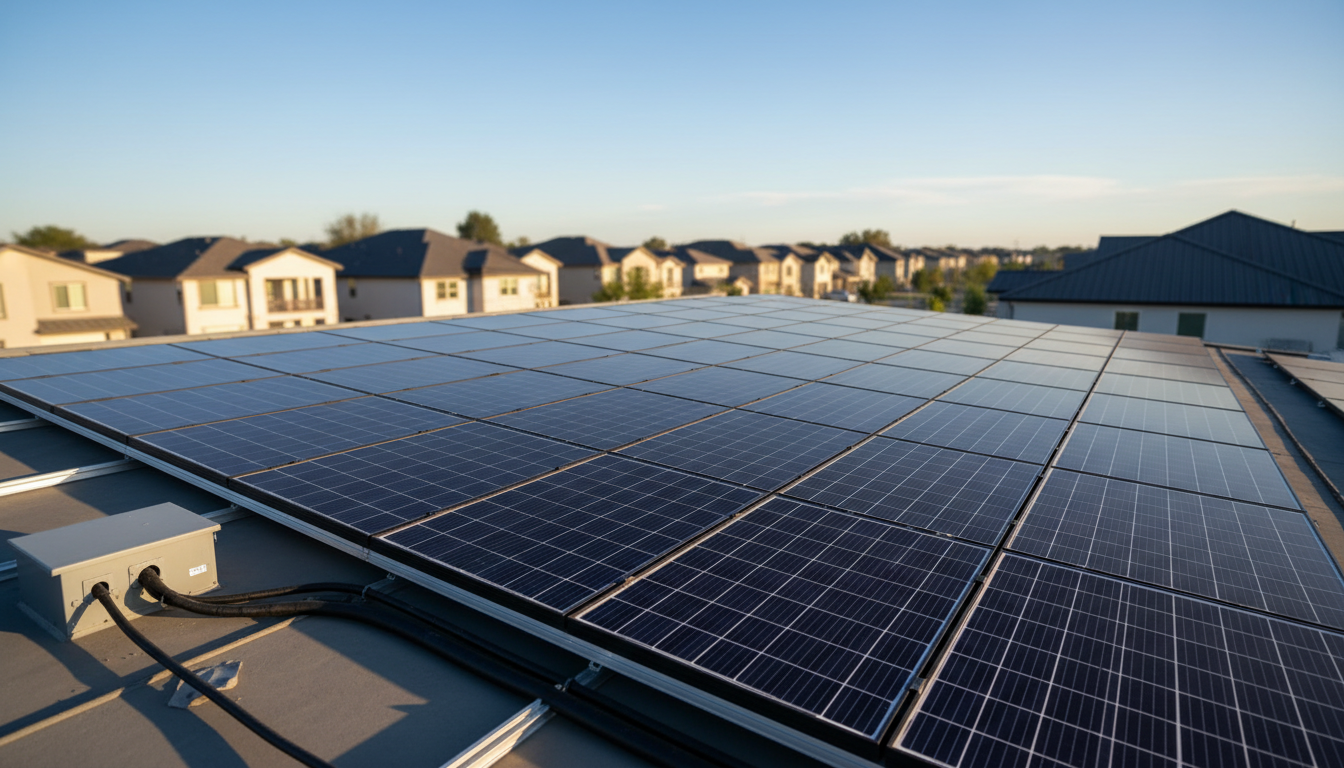
Traditional energy sources include fossil fuels such as coal, oil, and natural gas. These have been the backbone of global energy supply for decades. However, their impact on the environment and finite availability raise concerns about their long-term viability.
Challenges of Traditional Energy
Fossil fuels are notorious for their environmental impact. The burning of these fuels releases significant amounts of carbon dioxide, contributing to global warming and air pollution. Additionally, the extraction and transportation of fossil fuels can lead to ecological damage and pose risks to local communities.

Cost Comparison
When comparing costs, traditional energy sources have historically been more affordable due to established infrastructure and technology. However, the declining cost of solar panels and government incentives have made solar energy increasingly competitive. Over time, solar energy can lead to substantial savings on utility bills.
Long-term Savings with Solar
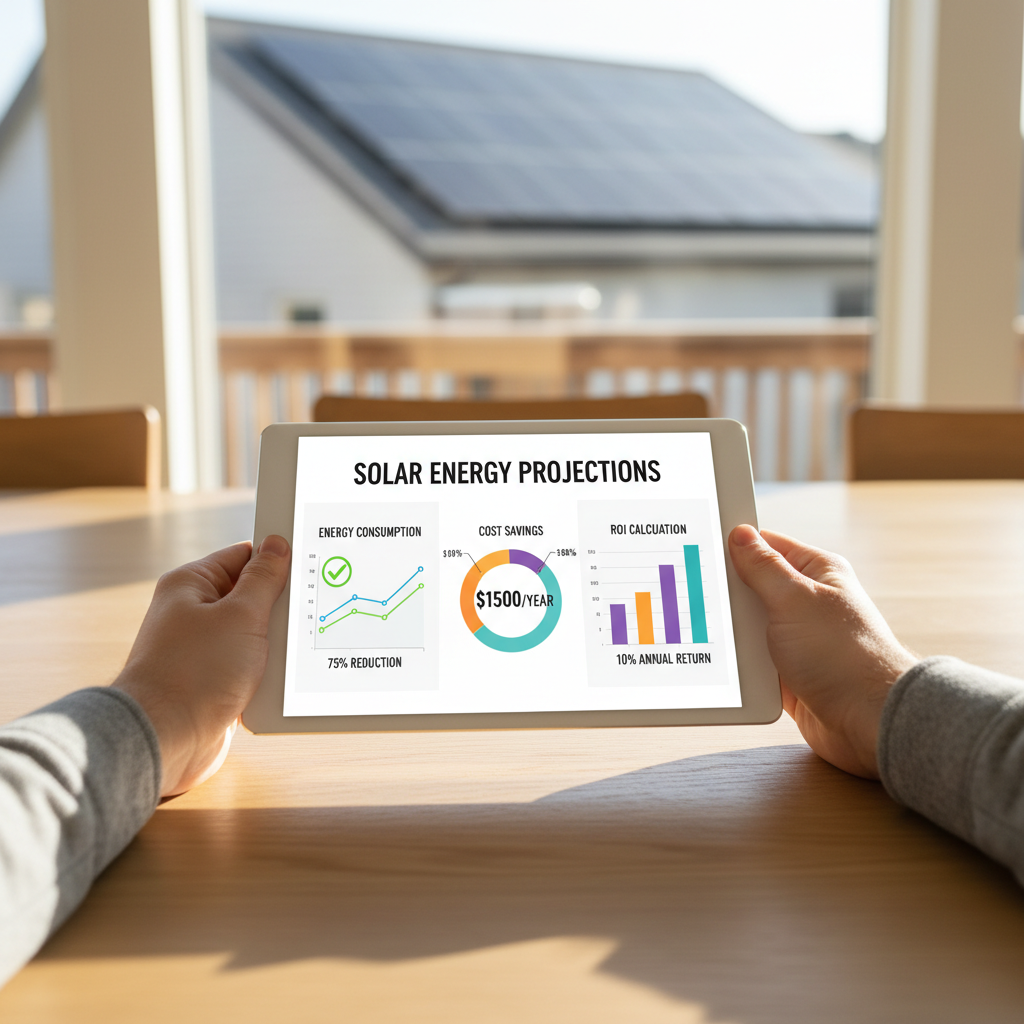
Investing in solar panels can lead to long-term financial benefits. While the initial installation cost may be high, the return on investment is significant. Many homeowners and businesses find that their solar systems pay for themselves within a few years, thanks to reduced energy bills and potential tax credits.
Conclusion
The choice between solar energy and traditional energy involves various factors, including environmental impact, cost, and sustainability. As the world moves towards a greener future, solar energy presents an attractive alternative that aligns with the growing need for sustainable solutions. By understanding the differences and benefits of each energy source, we can make informed decisions that benefit both our wallets and the planet.