Preparing Your Home for Solar Installation: A Step-by-Step Guide


Understanding Solar Installation
Switching to solar energy is a smart move for both the environment and your wallet. Before diving into the installation process, it's crucial to understand the basics. Solar panels convert sunlight into electricity, reducing your dependence on traditional power sources. With benefits like lower energy bills and a smaller carbon footprint, it's no wonder more homeowners are making the switch.
Assess Your Home's Suitability
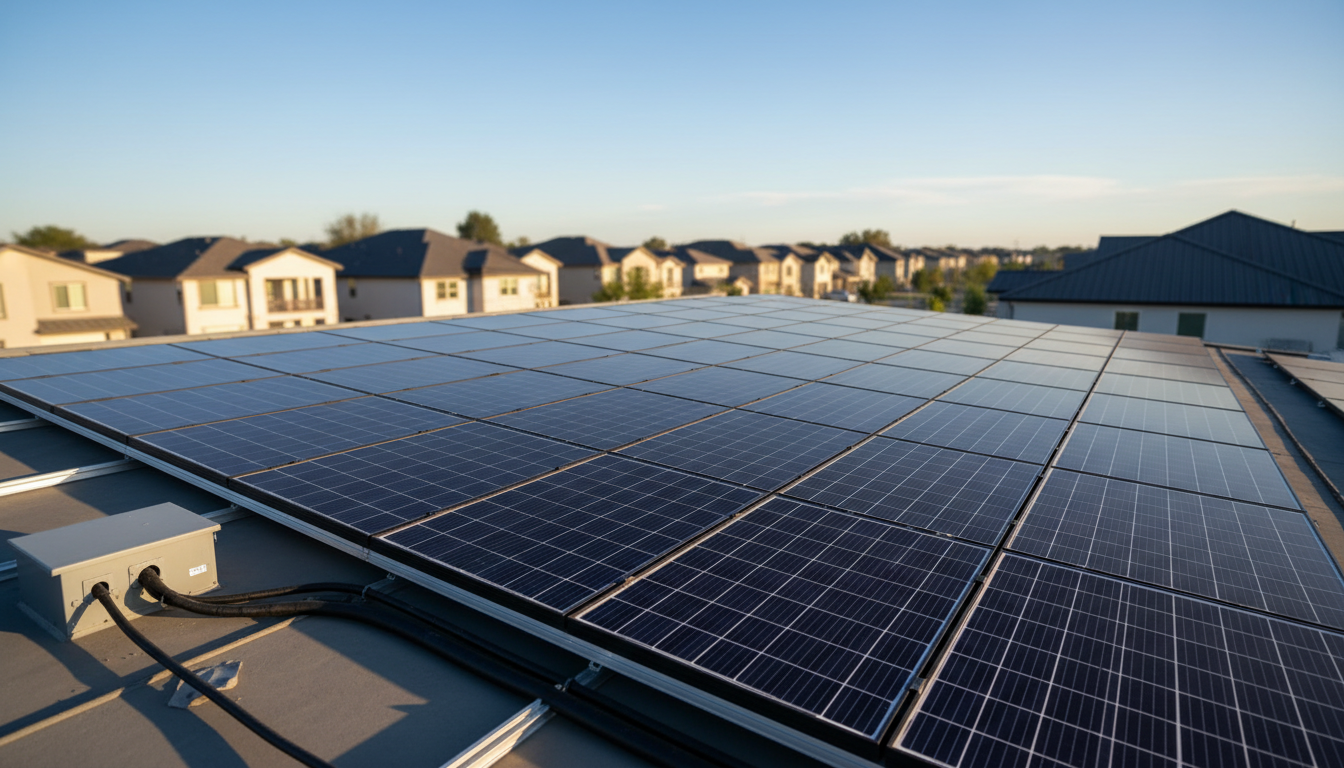
Before installation, assess whether your home is suitable for solar panels. Consider factors such as roof condition, angle, and shading. A south-facing roof with minimal shade is ideal. Ensure your roof is in good condition, as solar panels are a long-term investment and roof repairs afterward can be costly.
Research Local Regulations
It's essential to research local regulations and permits required for solar installation. Some areas may have specific zoning laws or require permits. Contact your local government or consult with a solar provider to ensure compliance with all necessary regulations.
Choosing the Right Solar Provider
Selecting a reliable solar provider is crucial for a smooth installation process. Look for providers with positive reviews and proper certifications. A good provider will offer a detailed proposal, including cost estimates and projected energy savings.
Evaluate Your Energy Needs
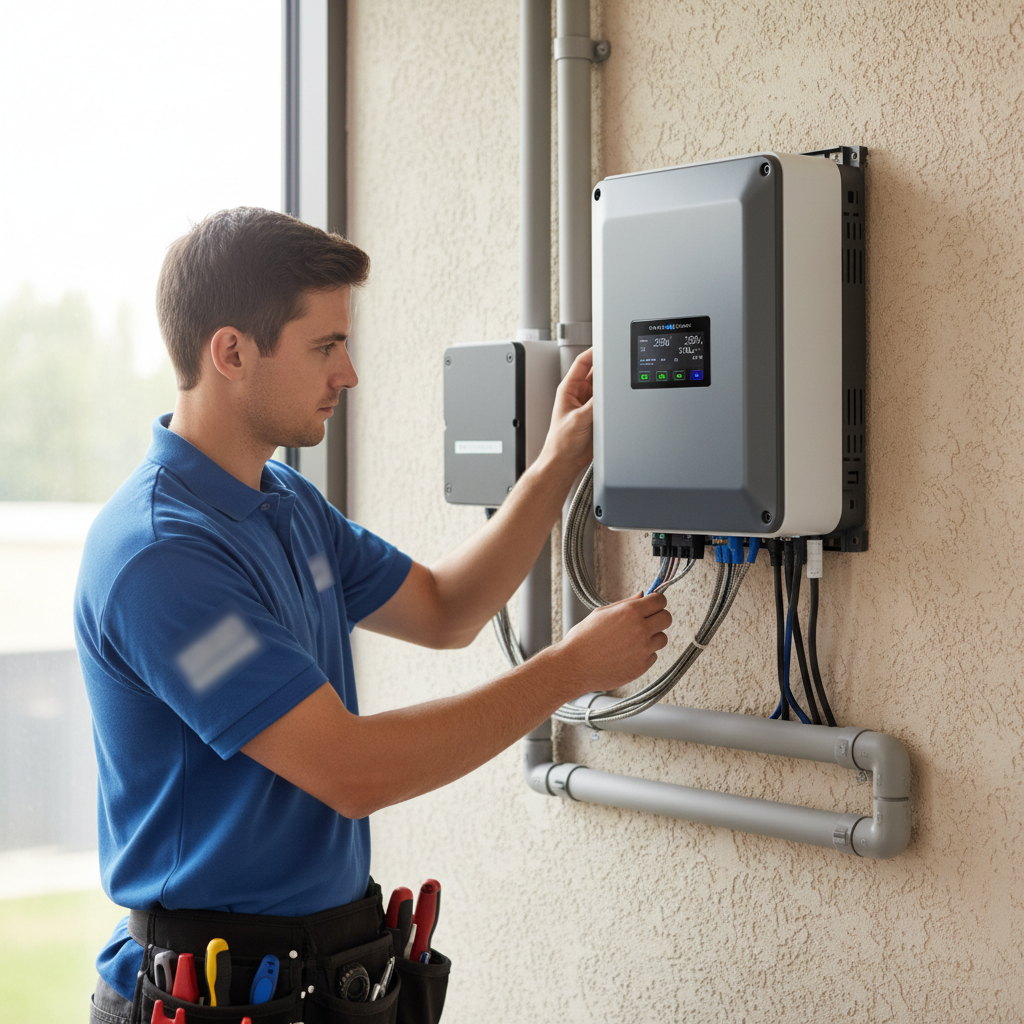
Understanding your energy needs will help determine the size of the solar system required. Review your past utility bills to assess your average energy consumption. A solar provider can help you decide on the system size that best meets your needs.
Financing Your Solar Investment
There are several financing options available for solar installation. You can purchase the system outright, lease it, or opt for a power purchase agreement (PPA). Each option has its pros and cons, so consider what aligns best with your financial goals.

Preparing Your Home for Installation
Once you've chosen a provider and decided on financing, it's time to prepare your home. This may involve trimming trees that could block sunlight or reinforcing your roof. Ensure that your electrical system can accommodate the new solar setup.
Installation Day
On installation day, your provider will handle most of the work, but being available to address any questions or concerns is beneficial. The process typically takes one to three days, depending on the system's size and your home's specific requirements.
By following these steps, you'll be well on your way to enjoying the benefits of solar energy. Not only will you reduce your carbon footprint, but you'll also save on energy costs in the long run.