How to Prepare Your Home for Solar Panel Installation


Understanding Your Energy Needs
Before diving into the installation process, it's crucial to understand your home's energy requirements. Evaluate your current electricity usage by reviewing past utility bills. This step will help you determine the number of solar panels you'll need to meet your energy goals, whether it's reducing your electricity bill or going completely off-grid.

Checking Roof Suitability
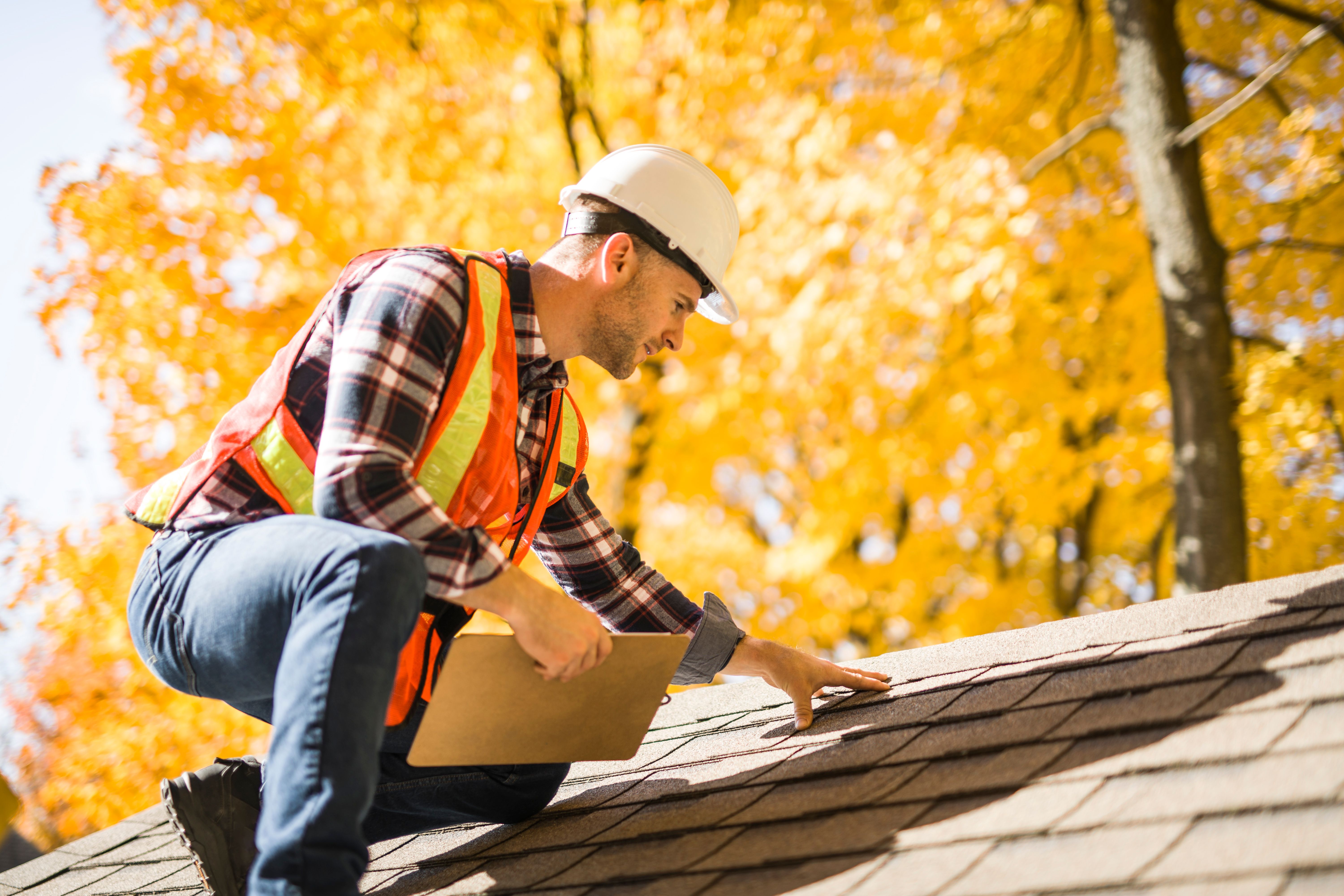
Your roof's condition plays a significant role in the success of your solar panel installation. Inspect your roof for any damage or weaknesses. If necessary, make repairs to ensure it can support the solar panels. Consider the roof's angle and orientation as well, as these factors affect energy production. Ideally, a south-facing roof with a slope between 15 to 40 degrees is optimal.
Shading Considerations
Evaluate any potential shading issues that might affect solar panel efficiency. Trees, chimneys, or nearby buildings can cast shadows on your roof, reducing energy output. Trim any overhanging branches and plan for future growth to maintain maximum sunlight exposure.
Understanding Local Regulations
Before installation, familiarize yourself with local building codes and regulations. Some areas have specific requirements or incentives for solar panel installations. Obtain any necessary permits and check if your neighborhood or homeowner’s association has guidelines you need to follow.
Exploring Incentives
Research available incentives, such as tax credits or rebates, that can help offset installation costs. Many governments offer financial incentives to encourage renewable energy use, making solar power more affordable than ever.

Selecting a Qualified Installer
Choosing the right installer is crucial for a successful solar panel system. Look for experienced professionals with proper certifications. Ask for references and check reviews to ensure quality workmanship. A reputable installer will also help you navigate permits and incentives.
Comparing Quotes
Contact multiple installers to compare quotes and services. Don’t just focus on price; consider the quality of equipment, warranties, and customer service. A slightly higher upfront cost may be worth it for better long-term support and performance.
Preparing Your Home for Installation
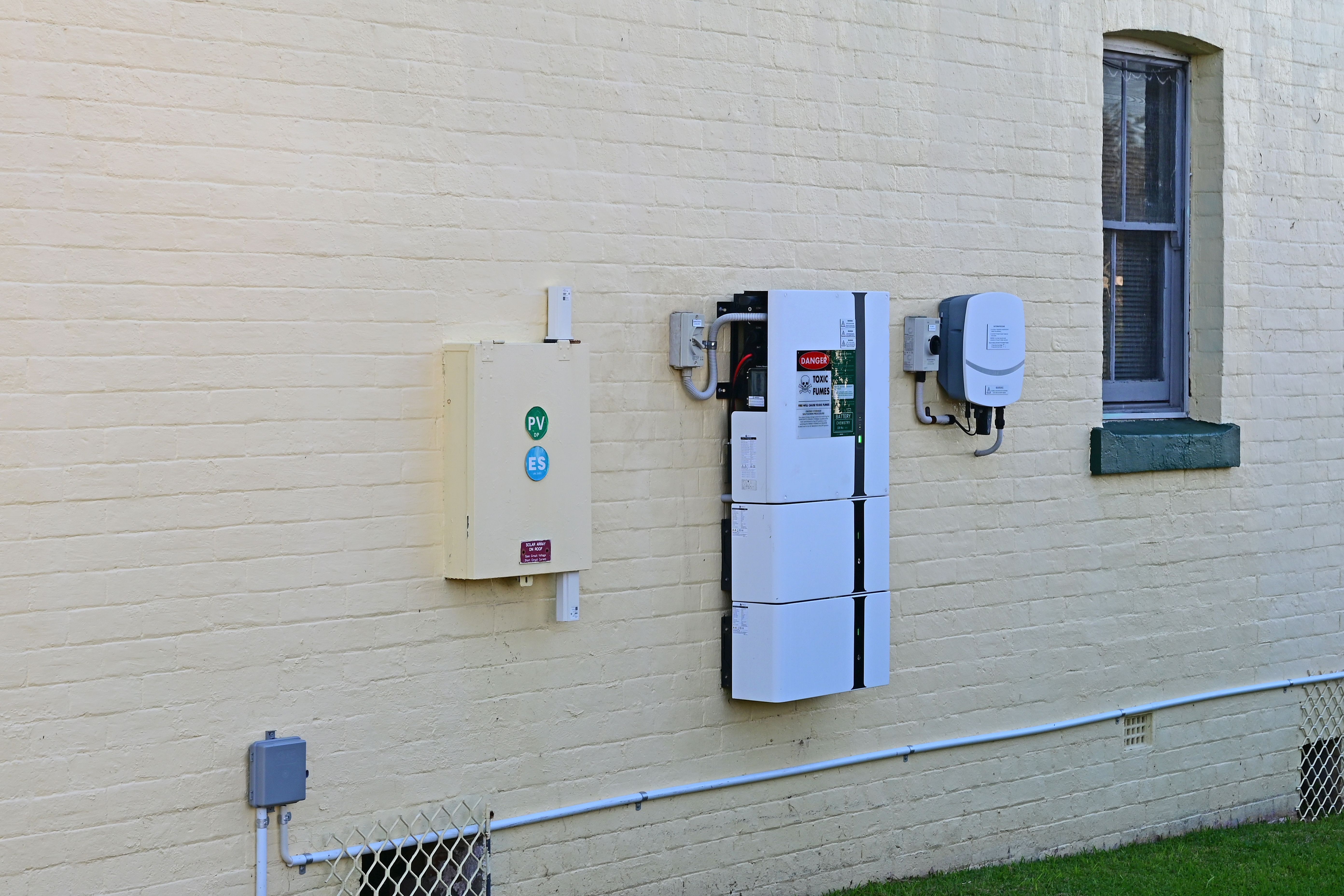
Once you've selected an installer, prepare your home for installation day. Clear the area around your roof and ensure easy access for workers. Discuss with your installer any specific requirements they may have, such as parking or storage space for equipment and materials.
Communicating with Your Installer
Maintain clear communication with your installer throughout the process. Confirm scheduling, expectations, and any last-minute adjustments. This will ensure a smooth installation and avoid any misunderstandings.