How to Choose the Right Solar Panels for Your Home


Understanding Your Energy Needs
Before diving into the world of solar panels, it's crucial to understand your home's energy needs. Start by reviewing your electricity bills to determine your average energy consumption. This information will help you decide the capacity and size of the solar panel system required for your home.
Consider factors like the number of people in your household, the size of your home, and any future energy needs, such as electric vehicles or new appliances. A clear understanding of your energy requirements will guide you in selecting the most efficient solar panels.
Types of Solar Panels
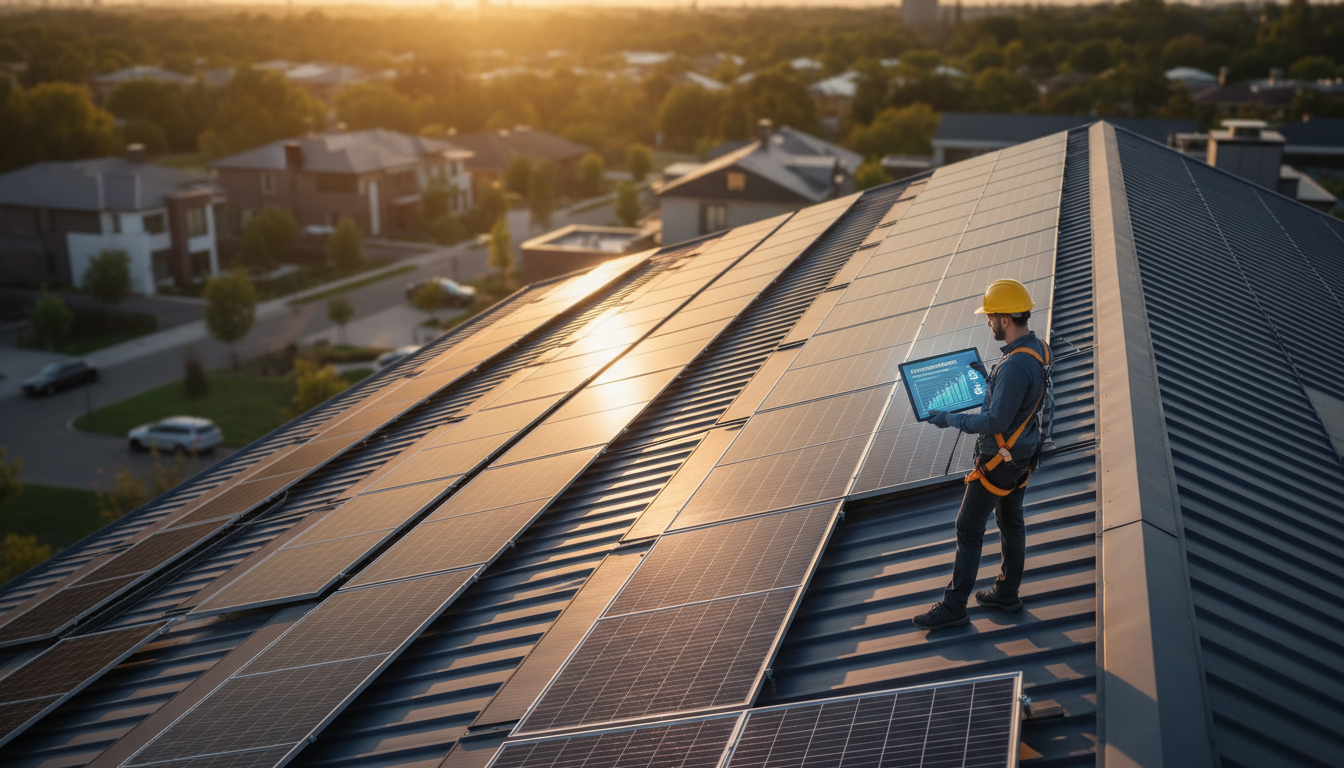
There are primarily three types of solar panels available: monocrystalline, polycrystalline, and thin-film. Monocrystalline panels are known for their high efficiency and sleek appearance, making them a popular choice for homeowners with limited roof space. In contrast, polycrystalline panels are generally more affordable but slightly less efficient.
For those seeking a lightweight and flexible option, thin-film panels might be the right choice. They are less efficient but can be ideal for specific applications. Understanding the differences between these types can help you choose the best fit for your home.
Evaluating Efficiency and Performance
When selecting solar panels, efficiency is a key factor. High-efficiency panels convert more sunlight into electricity, meaning you can generate more power in less space. However, higher efficiency often comes at a higher cost. Consider your budget and roof space when evaluating efficiency.
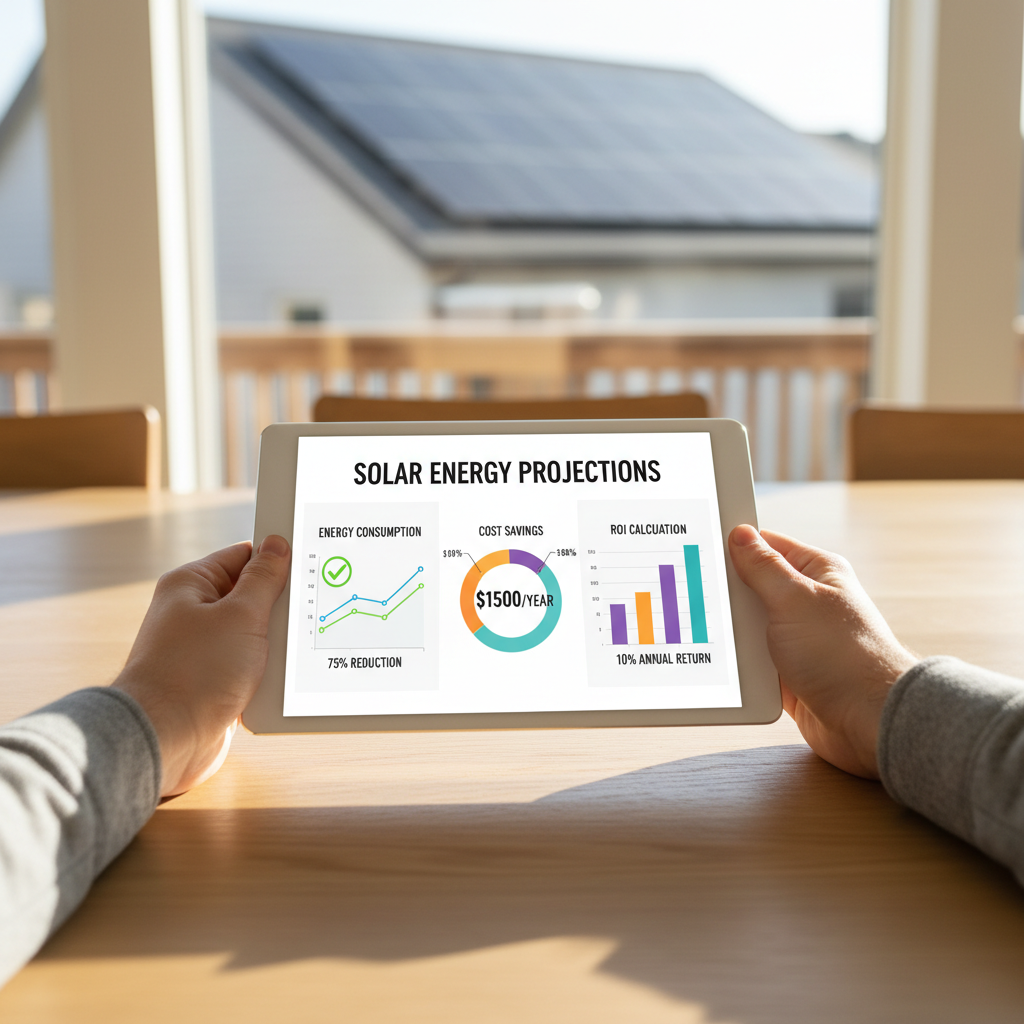
Performance warranties are another critical aspect to consider. Most panels come with a 25-year warranty, guaranteeing a certain level of performance over time. This assurance is vital to ensure your investment pays off in the long run.
Considering Installation and Maintenance
The installation process can vary depending on the type of roof and the solar panel system chosen. It's essential to hire experienced and certified installers to ensure optimal setup and performance. Proper installation can significantly impact the efficiency and longevity of your solar panels.
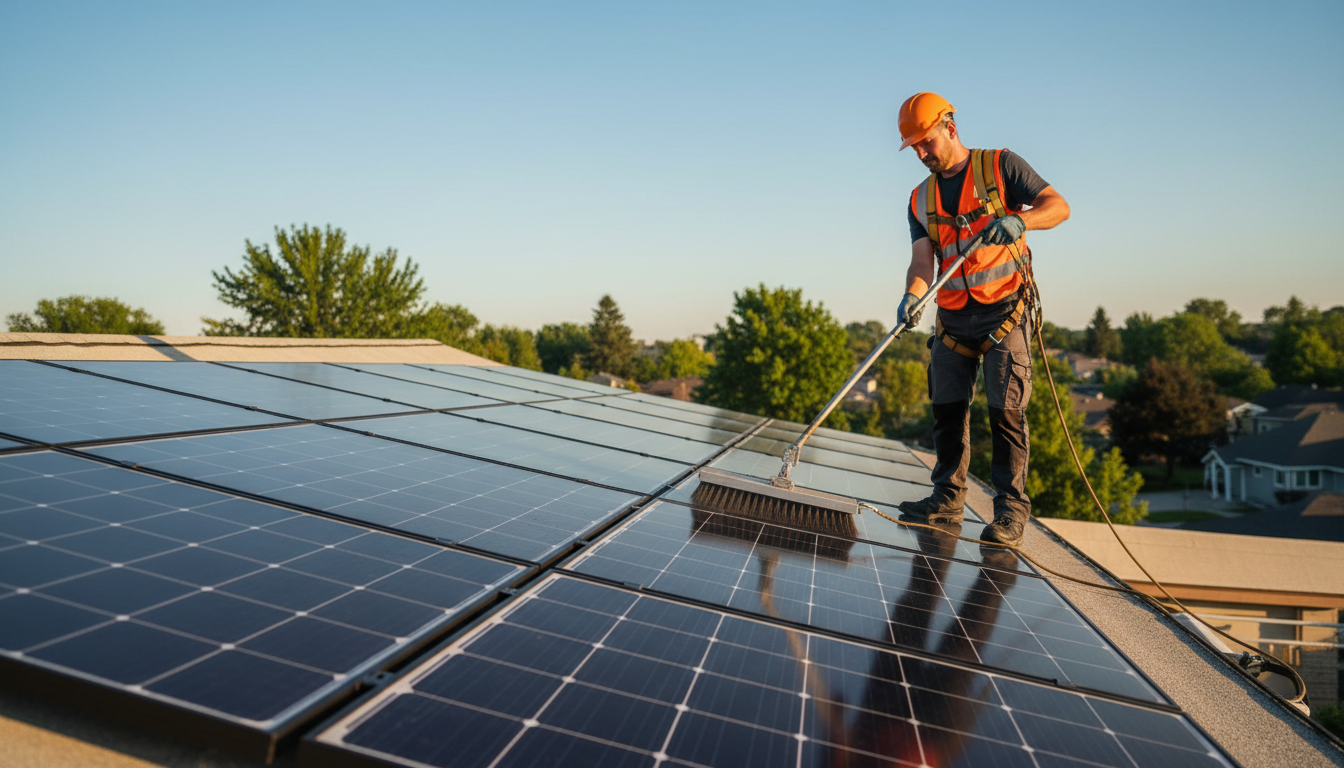
Maintenance is generally minimal for solar panels, but regular cleaning and inspections can help maintain efficiency. Dust, debris, and snow can affect performance, so it's wise to keep an eye on your system's output and address any issues promptly.
Exploring Incentives and Financing Options
Many governments offer incentives and tax credits to encourage homeowners to invest in solar energy. Research local and federal programs that can help offset the initial costs of installation. Understanding these incentives can make a significant difference in the affordability of your solar panel system.
Additionally, explore financing options like solar loans, leases, or power purchase agreements (PPAs). Each option has its advantages and considerations. Analyze your financial situation to determine the best way to finance your solar investment.
Conclusion
Choosing the right solar panels for your home involves careful consideration of your energy needs, panel types, efficiency, installation process, and financial incentives. By thoroughly researching each aspect, you can make an informed decision that maximizes your investment and contributes to a more sustainable future.