How Solar Energy Can Reduce Your Electricity Bills


Understanding Solar Energy
Solar energy is a renewable power source that harnesses the sun's energy using photovoltaic (PV) panels. This sustainable method of generating electricity is becoming increasingly popular among homeowners looking to reduce their electricity bills. By converting sunlight into electricity, solar panels can significantly lower your reliance on traditional energy sources.
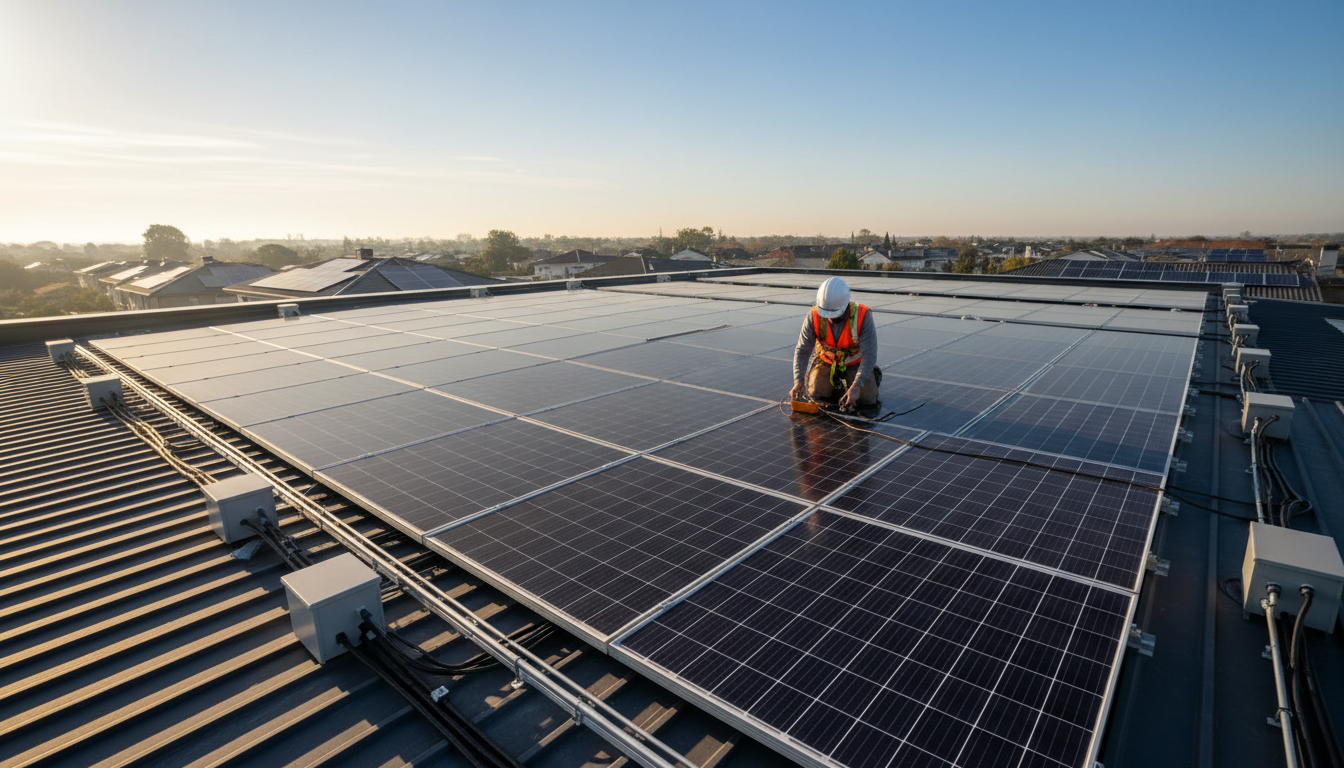
How Solar Panels Work
Solar panels consist of multiple solar cells made from silicon. When sunlight hits these cells, it causes electrons to move, generating an electric current. This current is then converted into usable electricity for your home. The more sunlight your panels receive, the more electricity they produce, making them an effective solution for reducing energy costs.
Financial Benefits of Solar Energy
The primary advantage of installing solar panels is the potential for substantial savings on electricity bills. By generating your own power, you can reduce or even eliminate your monthly energy costs. Many homeowners see a significant reduction in their bills right from the first month of installation.
Tax Incentives and Rebates
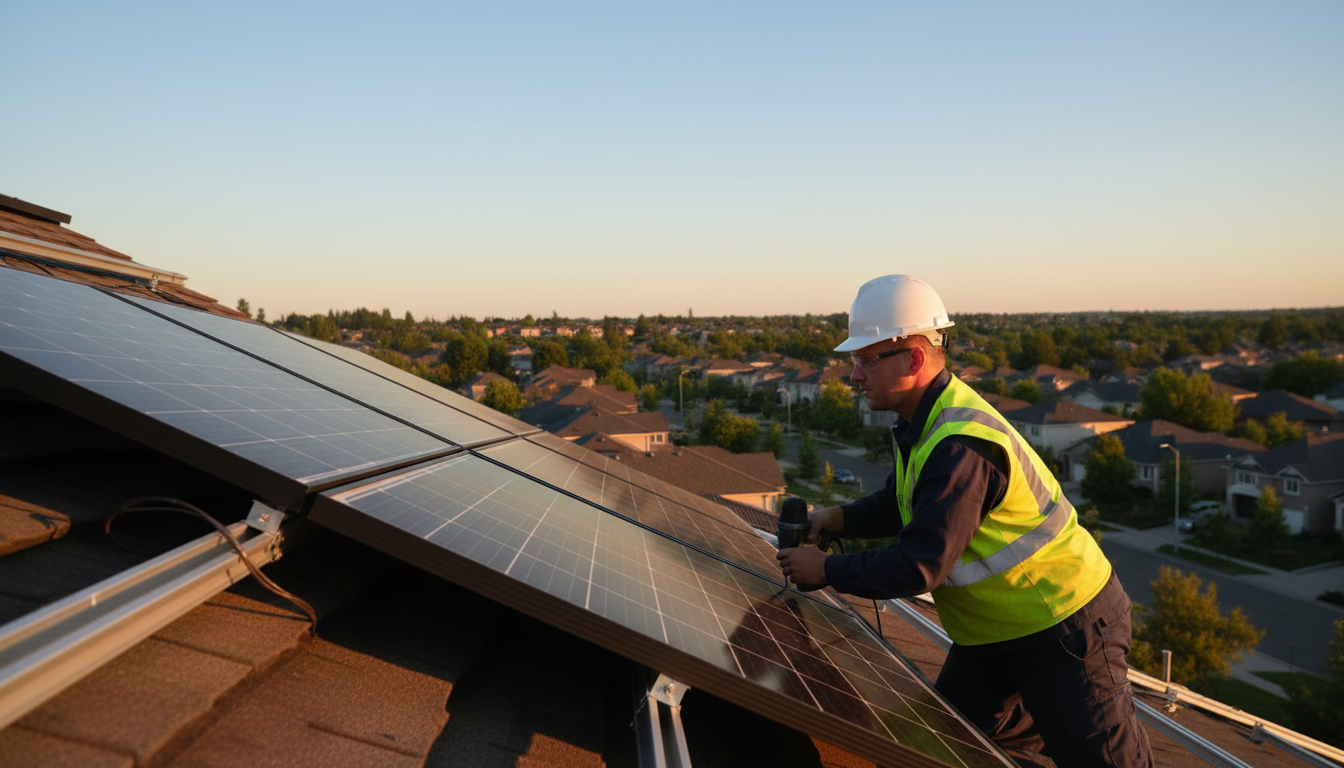
In addition to savings on your bills, there are various tax incentives and rebates available for solar panel installations. These financial incentives can dramatically lower the initial cost of installing solar panels, making it a more affordable investment.
- Federal tax credits
- State-specific rebates
- Local utility incentives
Environmental Impact
Utilizing solar energy not only benefits your wallet but also the environment. By switching to solar, you're reducing your carbon footprint and contributing to a cleaner, more sustainable planet. Solar energy is a clean, renewable resource that doesn't produce harmful emissions.

Long-Term Investment
Though the initial cost of solar panels can be high, they are a long-term investment that pays off over time. The average lifespan of solar panels is 25 to 30 years, during which they require minimal maintenance. This longevity ensures that the savings on your electricity bills will continue for decades.
Choosing the Right Solar System
Selecting the right solar system for your home is essential to maximize savings. Factors to consider include the size of your roof, the amount of sunlight your home receives, and your typical energy consumption. Consulting with a professional can help you determine the best setup for your needs.

Conclusion
Switching to solar energy is not just an environmentally responsible choice but also a financially savvy one. By reducing your reliance on traditional power sources, you can lower your electricity bills and enjoy long-term savings. With the added benefit of tax incentives and rebates, now is an excellent time to consider making the switch to solar.