Debunking Common Myths About Solar Energy


Understanding Solar Energy
Solar energy has become a popular topic as more people look for sustainable ways to power their homes and businesses. However, a range of myths still surrounds this renewable energy source. In this blog post, we'll debunk some of the most common misconceptions about solar energy.
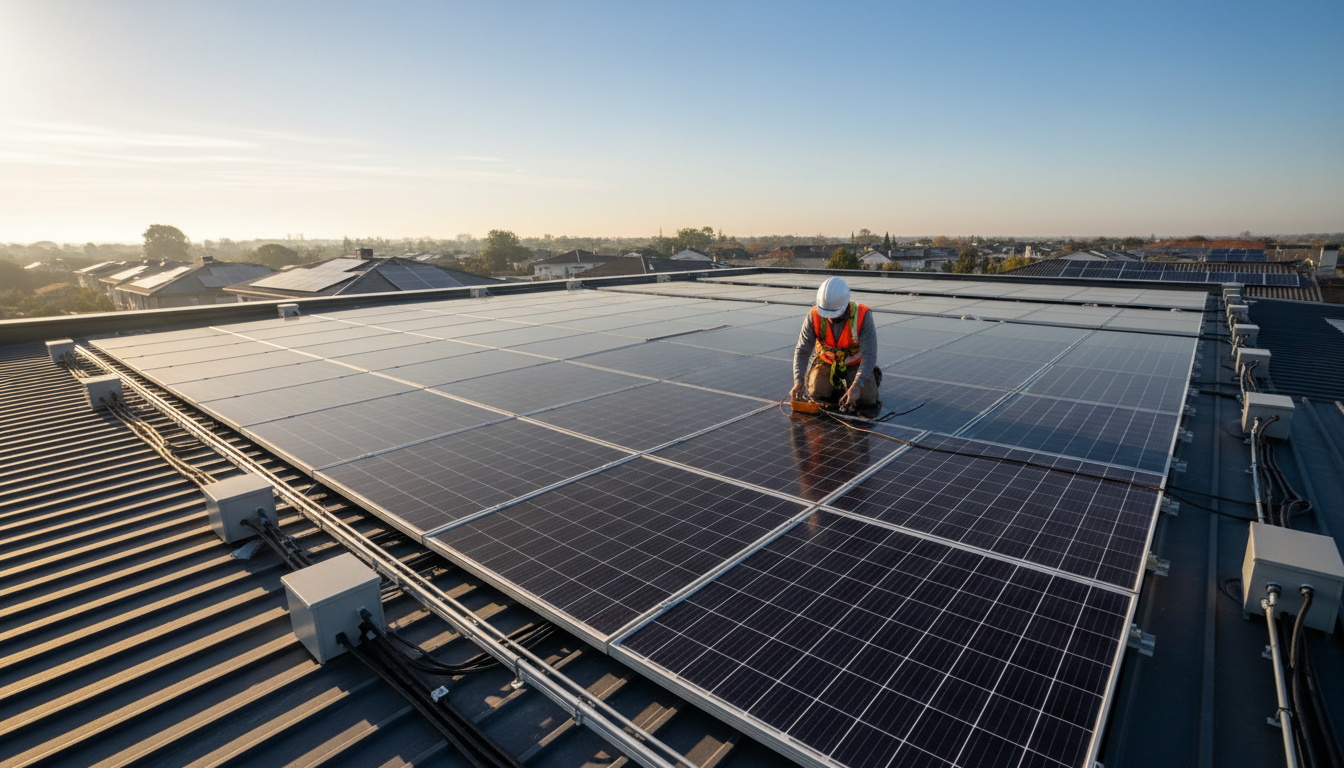
Myth 1: Solar Panels Don't Work in Cloudy or Cold Climates
Many believe that solar panels are only effective in sunny, warm climates. In reality, solar panels can generate electricity in various weather conditions, including cloudy and cold environments. Germany, a leader in solar energy adoption, proves that solar can be efficient even in less sunny climates.
Solar panels work by converting light into electricity, not heat. They can still produce energy on cloudy days, albeit at a reduced rate compared to sunny conditions. Snow can even help reflect light onto panels, boosting their efficiency.
Myth 2: Solar Energy Is Too Expensive
The perception that solar energy is prohibitively expensive is outdated. The cost of solar panels has dropped significantly over the past decade. Additionally, various incentives and tax credits can make installing solar systems more affordable.
Many homeowners find that the long-term savings on electricity bills offset the initial investment. In some cases, solar installations can even increase property values.
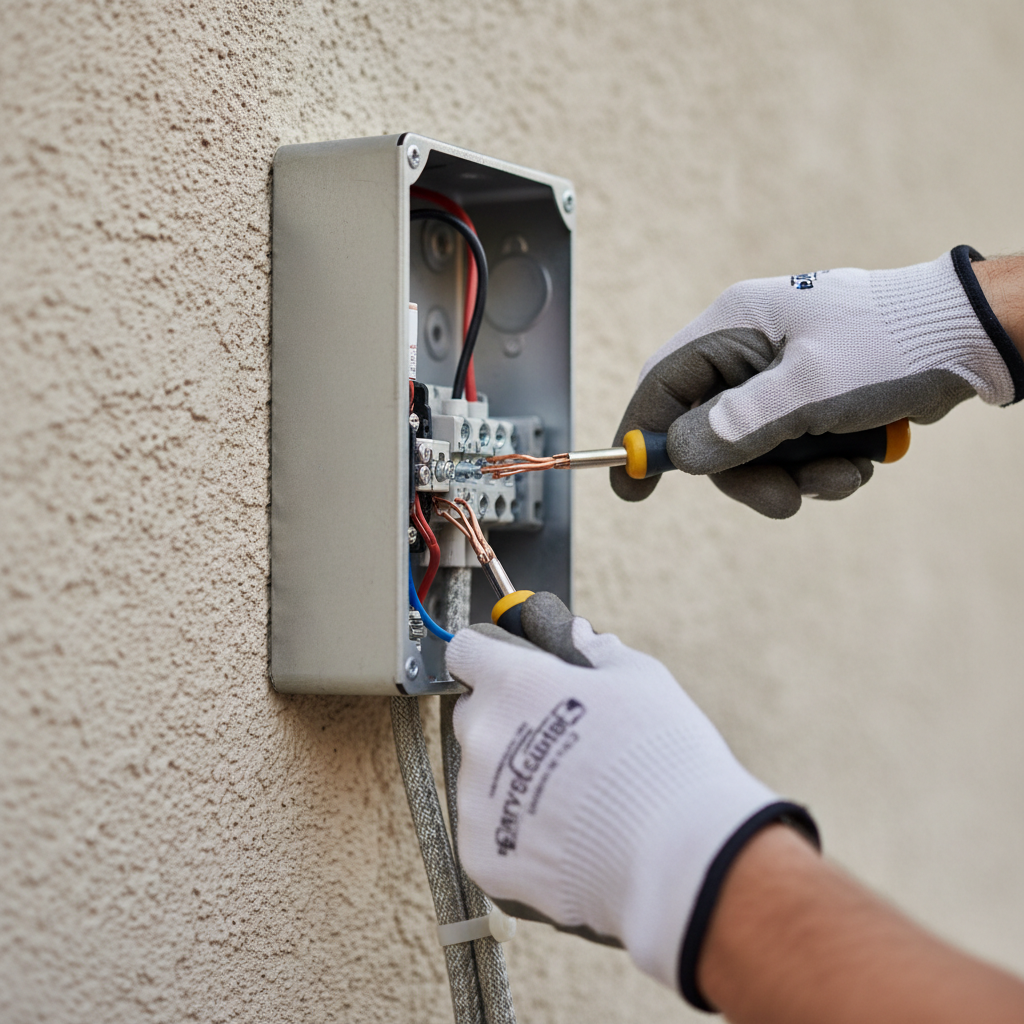
Myth 3: Solar Panels Require Too Much Maintenance
Another common myth is that solar panels require extensive maintenance. In truth, solar panels are designed to be durable and low-maintenance. Most systems only need occasional cleaning and periodic inspections to ensure they operate efficiently.
Properly installed solar panels can last 25 years or more, and many manufacturers offer warranties that cover any potential issues.
Myth 4: Solar Energy Isn't Reliable
Some skeptics argue that solar energy is unreliable because it depends on sunlight. While it's true that solar panels generate less electricity at night, advancements in battery storage technology allow excess energy generated during the day to be stored for later use.
Additionally, solar energy can be part of a broader energy strategy that includes other renewable sources, ensuring a reliable and consistent energy supply.
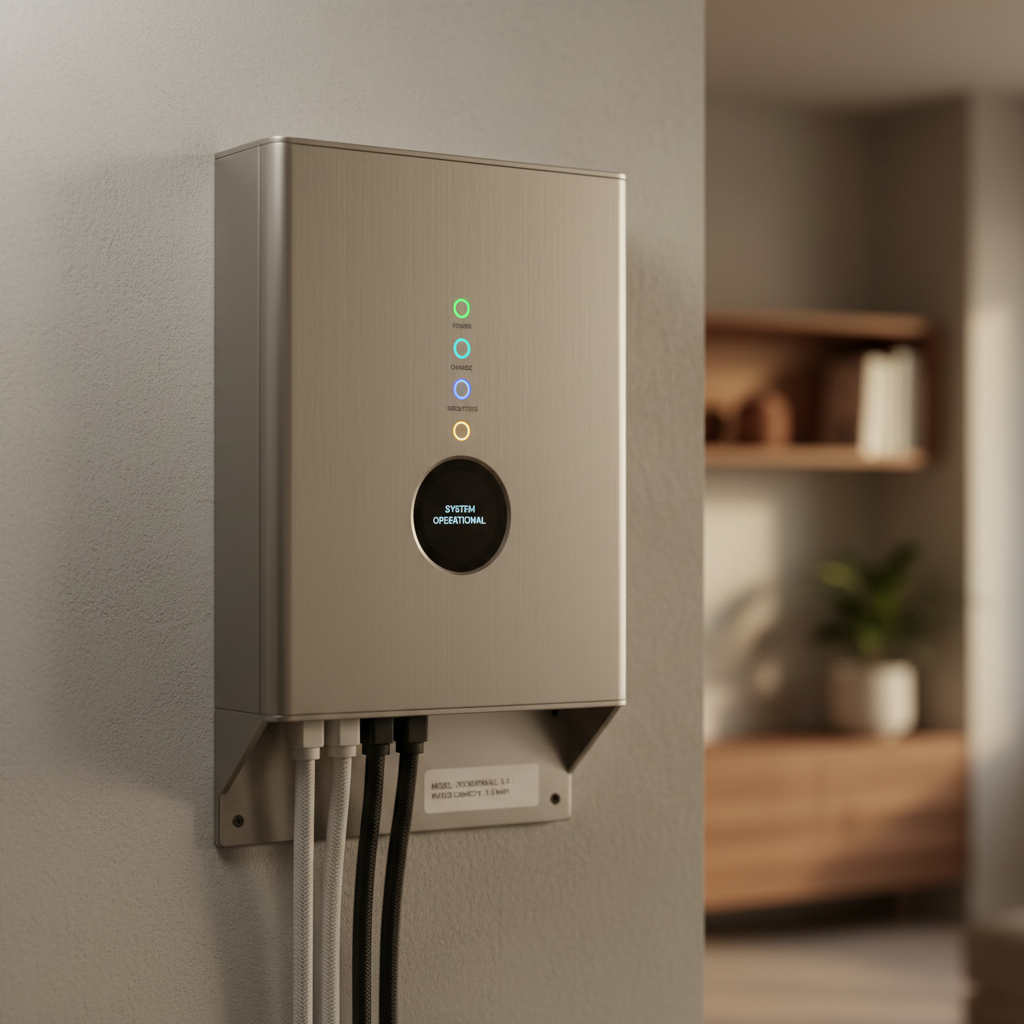
Myth 5: Solar Panels Are Bad for the Environment
Concerns about the environmental impact of manufacturing solar panels have led to the belief that they may not be as green as they seem. While manufacturing does involve energy and resources, the overall environmental impact of solar panels is far less than that of fossil fuels.
Over their lifespan, solar panels produce significantly more energy than is used in their creation, contributing to a reduction in greenhouse gas emissions.
Conclusion
Debunking these myths helps clarify the true potential of solar energy. As technology advances and more people adopt solar solutions, the benefits become increasingly clear. Solar energy is a reliable, cost-effective, and environmentally friendly option for powering our future.