Debunking Common Myths About Solar Energy


Understanding Solar Panel Efficiency
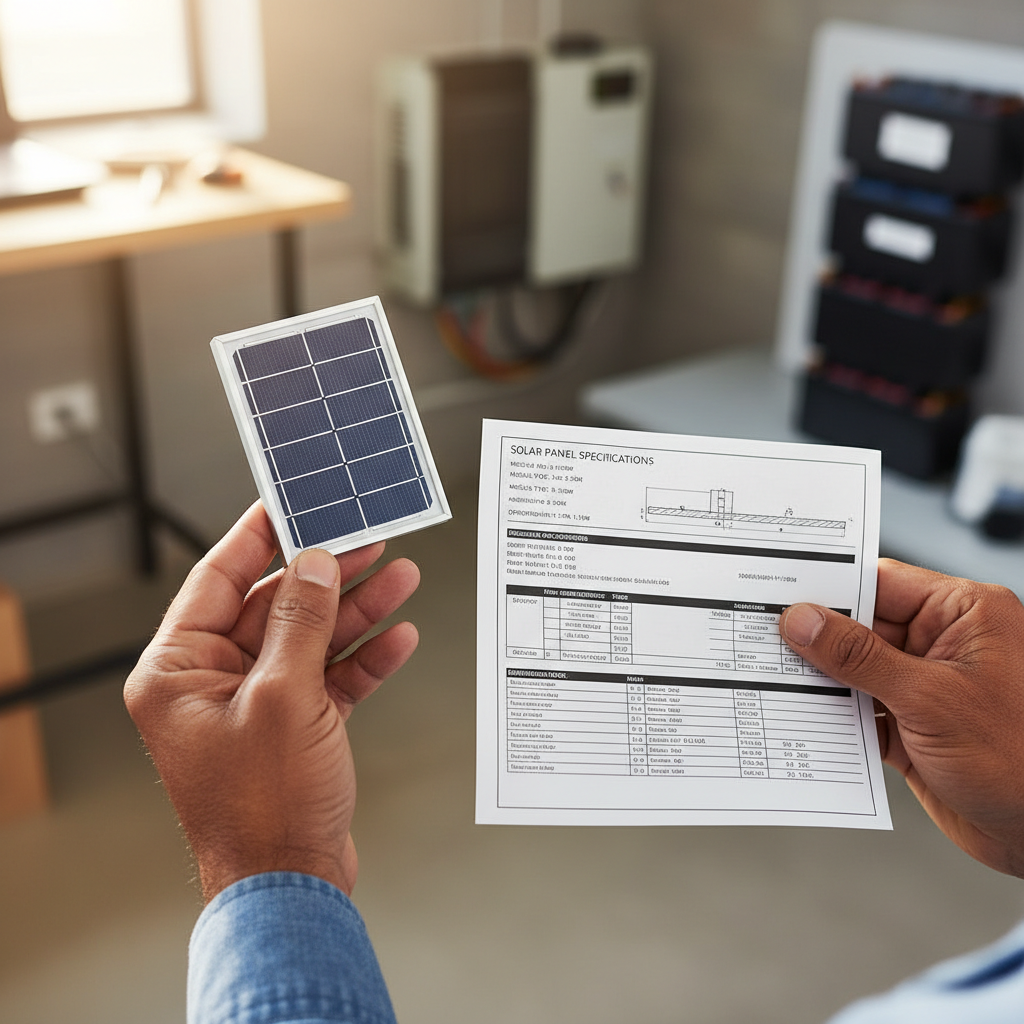
One of the most prevalent myths about solar energy is that solar panels are not efficient enough to provide significant power. In reality, modern solar panels have come a long way. Many systems can convert around 15-20% of sunlight into usable electricity. While this might seem low, it's important to remember that the energy received from the sun is abundant and free.
Solar Energy and Weather Conditions
Another common misconception is that solar panels only work in sunny climates. Although direct sunlight increases efficiency, solar panels can still generate electricity on cloudy days. They work on the principle of photovoltaic cells, which can harness indirect sunlight. Therefore, even in regions with frequent overcast weather, solar power can still be a viable option.
Cost Considerations and Savings
Many people believe that installing solar panels is too expensive and not worth the investment. While the initial costs can be significant, various incentives and rebates are available to reduce the financial burden. Over time, the savings on electricity bills can outweigh the installation costs, providing a substantial return on investment.
Solar Panel Maintenance Myths
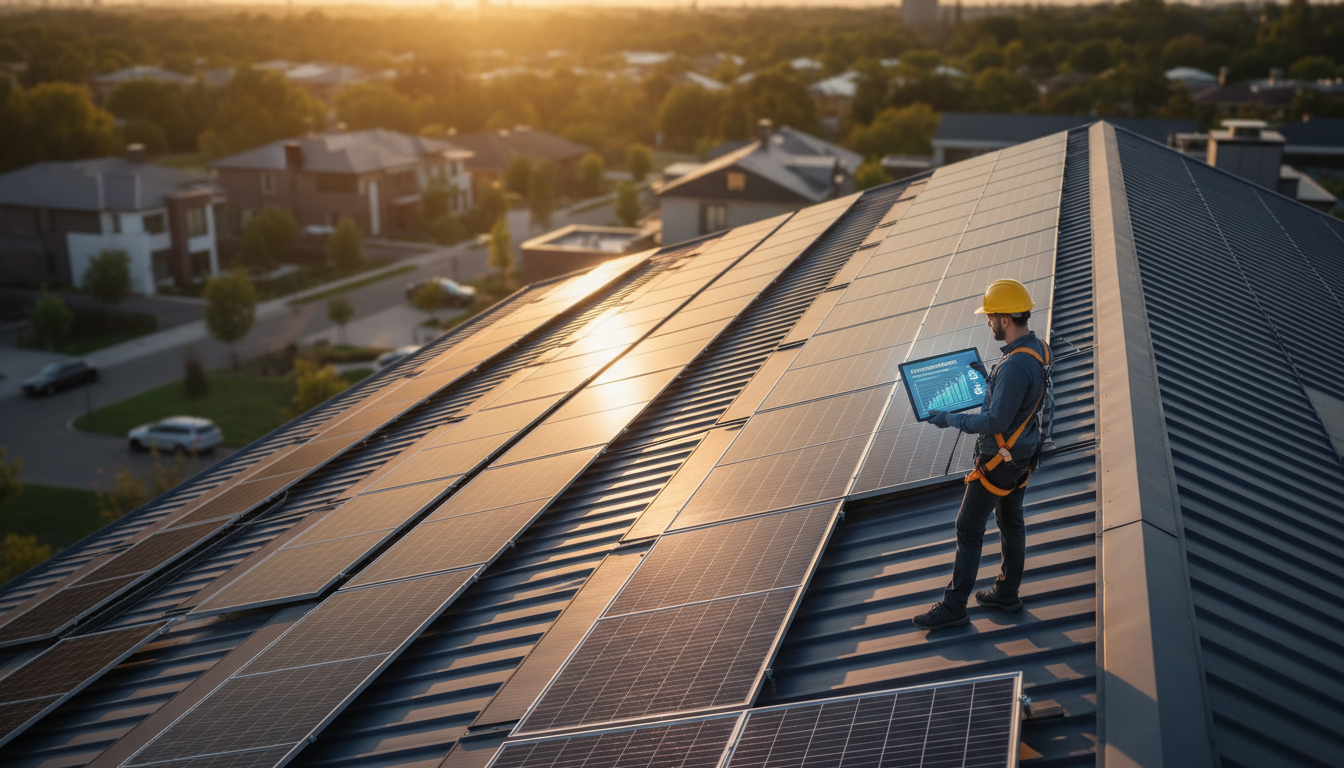
Some think that solar panels require a lot of maintenance, making them impractical for the average homeowner. In reality, solar panels are designed to be low-maintenance. Routine cleaning and occasional inspections are usually sufficient to keep them in good working condition. Most systems come with long warranties, ensuring reliable performance for decades.
Environmental Impact of Solar Energy
A myth that occasionally circulates is that solar energy is not as environmentally friendly as it seems. The production of solar panels does have an environmental footprint, but it is significantly lower than that of fossil fuels. Once installed, solar panels produce clean, renewable energy, drastically reducing carbon emissions over their lifespan.
Energy Storage and Grid Dependence
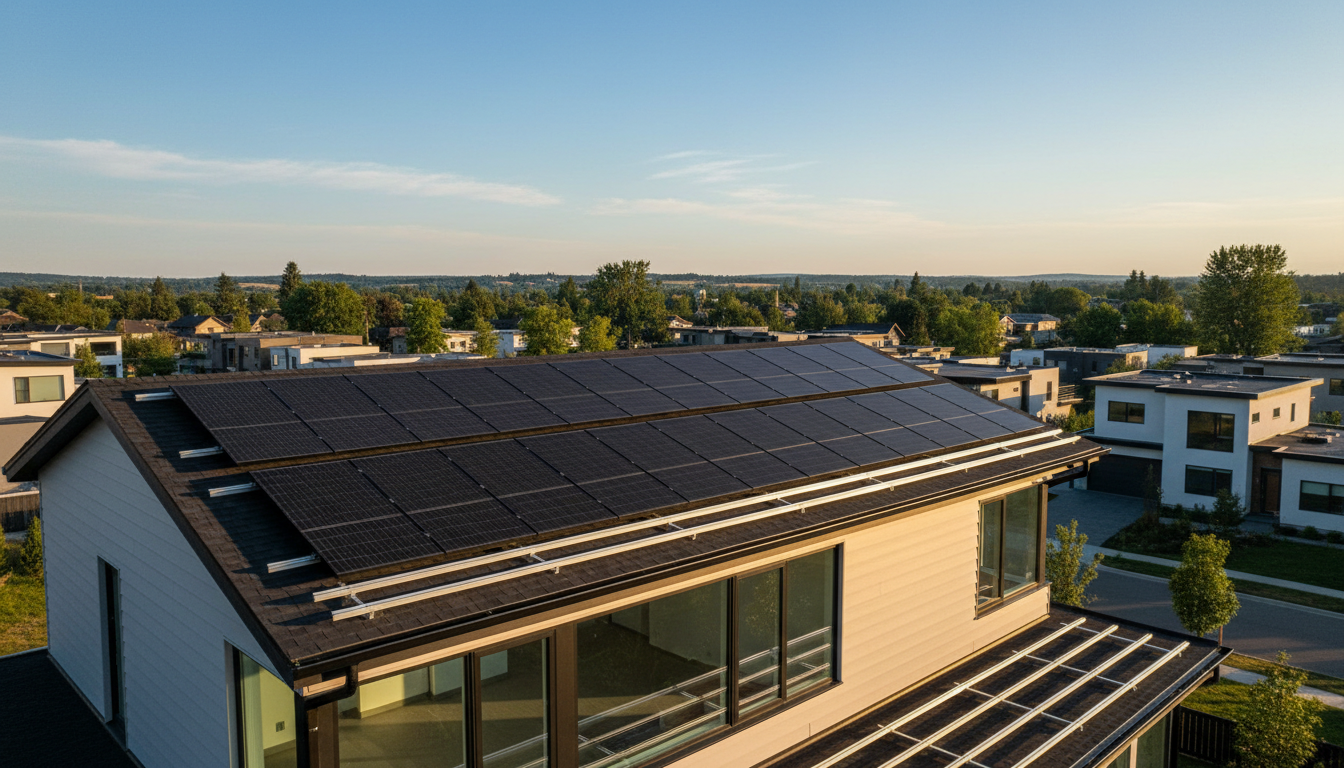
Some believe that solar homes are completely off the grid and dependent on battery storage. While battery systems are an option, many solar installations are grid-tied, allowing homeowners to draw electricity from the grid when needed and contribute surplus energy back. This flexibility enhances reliability and efficiency.
Longevity and Durability
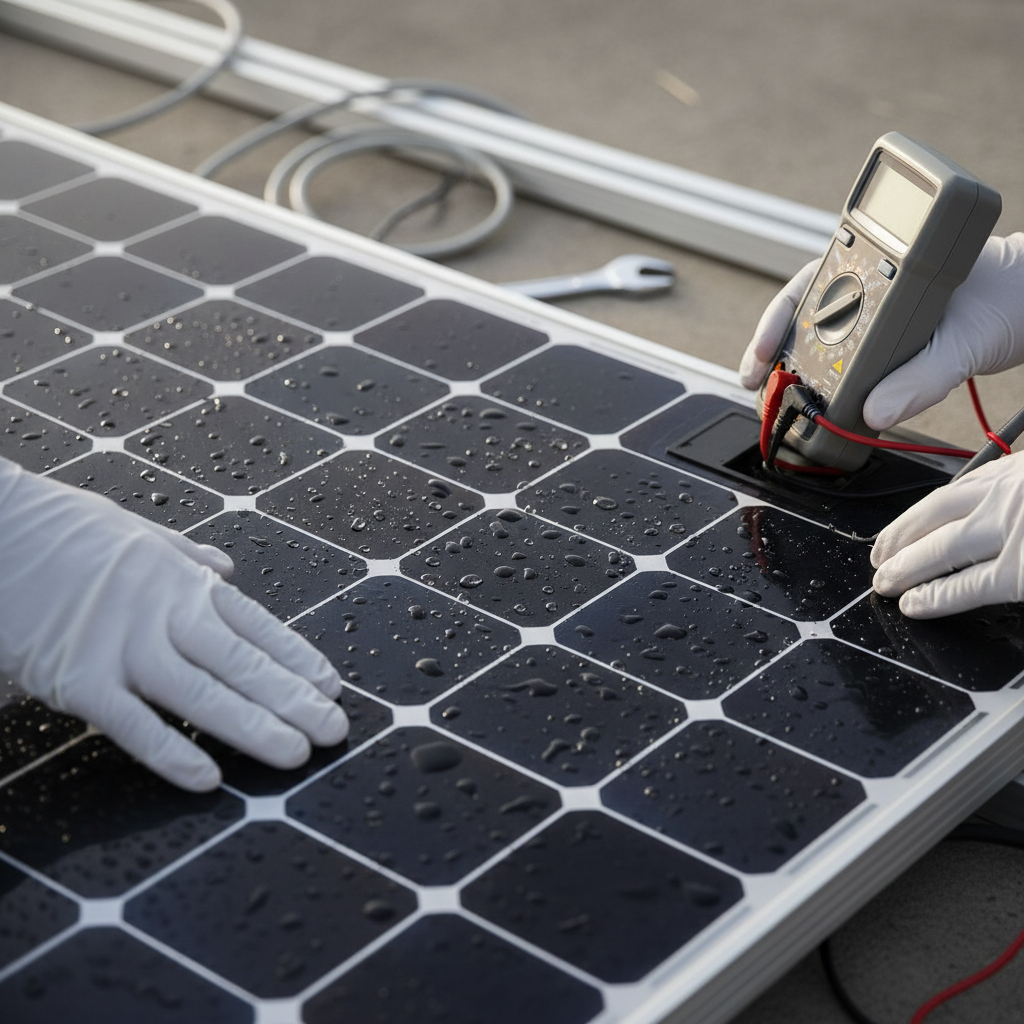
There is a misconception that solar panels are fragile and won't last long. However, solar panels are designed to withstand various weather conditions, including hail and heavy rain. They typically have a lifespan of 25-30 years, making them a durable and long-lasting energy solution.
By debunking these common myths, we can better understand the true potential and benefits of solar energy. As technology continues to advance, solar power becomes an increasingly accessible and sustainable energy source for homes and businesses alike.