Debunking Common Myths About Solar Energy


Understanding the Basics of Solar Energy
Solar energy is often misunderstood, leading to a number of myths about its effectiveness and cost. In reality, solar power is a clean, sustainable, and increasingly affordable energy source. By debunking these myths, we can better understand the benefits of solar energy and how it can contribute to a more sustainable future.

Myth 1: Solar Energy Is Too Expensive
A common misconception is that solar energy is prohibitively expensive. While the initial investment can be significant, the cost of solar panels has decreased dramatically over the past decade. Additionally, there are various incentives and rebates available that can significantly offset the initial costs. Over time, solar energy systems can lead to substantial savings on electricity bills.
Numerous studies have shown that the return on investment for solar panels is highly favorable, often allowing homeowners to recoup their investment within a few years. Long-term savings, combined with environmental benefits, make solar energy a wise financial decision.
Myth 2: Solar Panels Don’t Work in Cloudy or Cold Climates
Another widespread belief is that solar panels are only effective in sunny, warm climates. In truth, solar panels can generate electricity even on cloudy days. They work by converting light into electricity, so as long as there is daylight, the panels will produce energy.
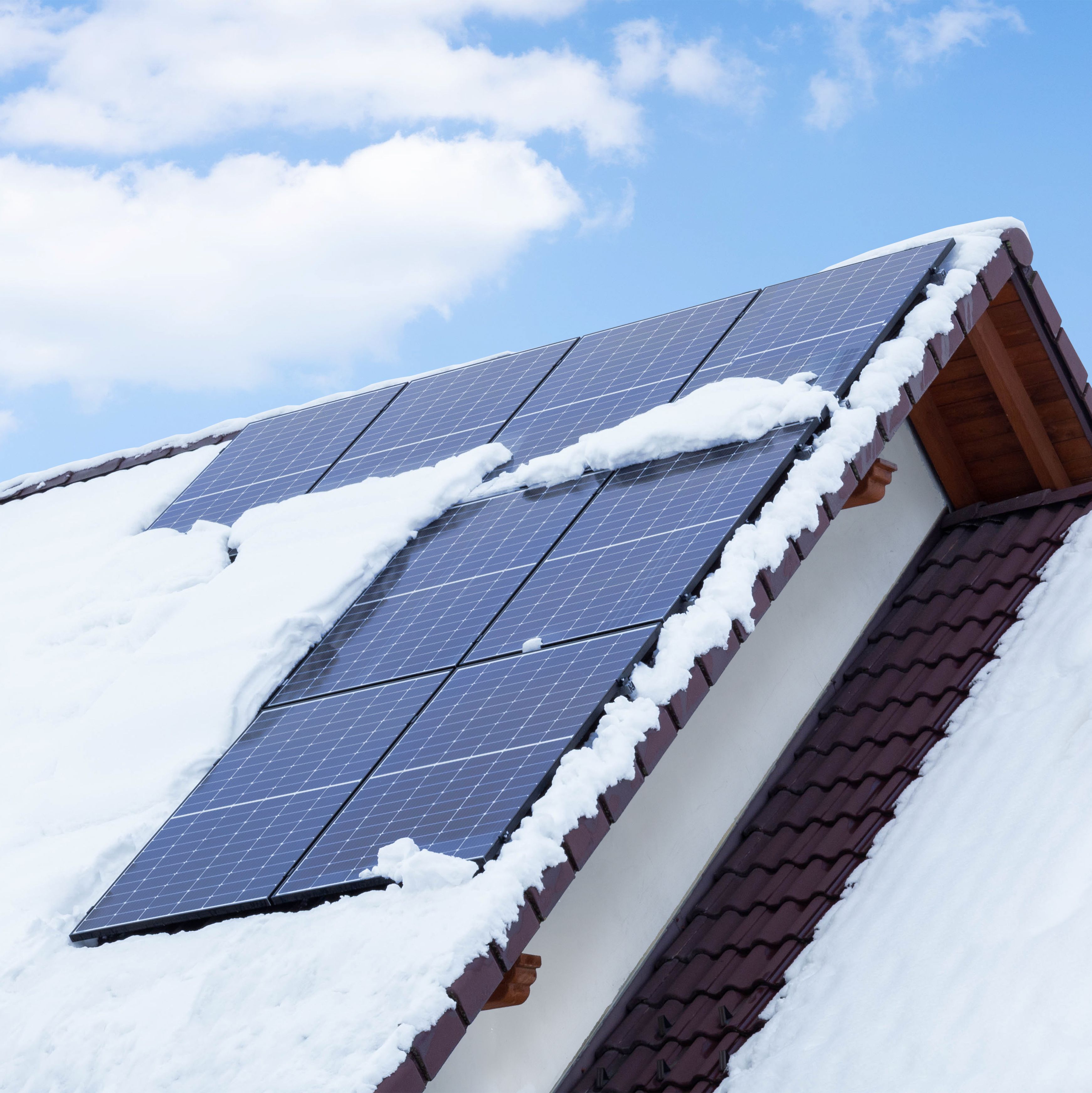
Colder temperatures can actually improve the efficiency of solar panels. Many countries with cold climates, such as Germany and Canada, are leading the way in solar energy adoption, proving that this myth is unfounded.
Myth 3: Solar Energy Isn’t Reliable
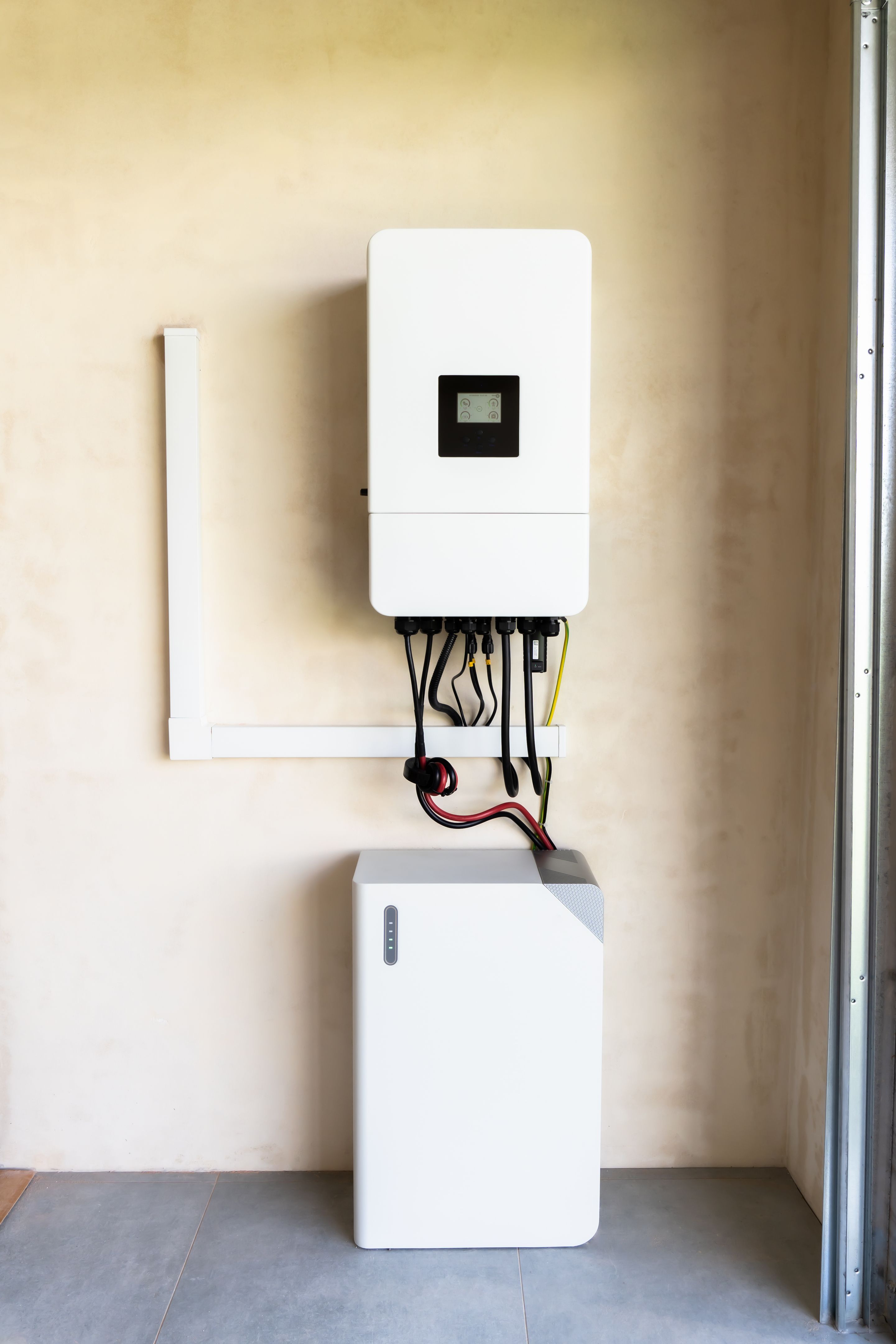
Some people assume that solar energy is unreliable because it depends on sunlight. While solar panels do produce more energy on sunny days, advancements in technology have made it possible to store energy for use during nighttime or cloudy days. Batteries and grid-tied systems ensure a consistent energy supply.
Moreover, solar energy systems are designed to be low-maintenance and extremely durable, often lasting 25 to 30 years with minimal degradation. This reliability makes solar a viable option for long-term energy needs.
Myth 4: Solar Panels Are Bad for the Environment
There is a misconception that the production and disposal of solar panels are harmful to the environment. While there are environmental impacts associated with manufacturing, the overall benefits far outweigh these concerns. Solar panels produce clean energy, reducing reliance on fossil fuels and lowering carbon emissions.
Efforts are also underway to improve the recycling and disposal processes for solar panels, further minimizing their environmental footprint. Choosing solar energy contributes to a cleaner, more sustainable planet.
Conclusion: Embracing Solar Energy
By addressing and debunking these common myths about solar energy, it's clear that solar power is a viable and beneficial energy source. It offers financial savings, reliability, and a positive environmental impact. As technology continues to advance, solar energy will likely play an increasingly important role in our global energy landscape.