Case Study: Transforming a Local Community with Solar Power


Introduction to Solar Power in Local Communities
Solar power is not just a trend; it's a transformative force for communities worldwide. By harnessing the sun's energy, local areas can achieve sustainability, reduce energy costs, and foster economic growth. This case study explores how one community successfully transitioned to solar power, illustrating the profound impact it can have.
The journey began with a collective vision to embrace renewable energy. The community recognized the potential benefits of solar power, not only for the environment but also for their economic resilience. This initiative has become a model for others seeking to implement similar projects.

Planning and Implementation
Assessing Community Needs
To kickstart the transition, the community conducted a thorough assessment of their energy needs. This involved analyzing current energy consumption patterns and identifying areas where solar power could make the most significant impact. The goal was to tailor the solar solution to meet specific local needs while maximizing efficiency.
Securing Funding and Resources
Funding was a critical component of the project. The community explored various options, including government grants, private investments, and partnerships with solar companies. Through a combination of these resources, they secured the necessary funding to initiate the project without imposing a financial burden on residents.
Implementation Process
Installation and Integration
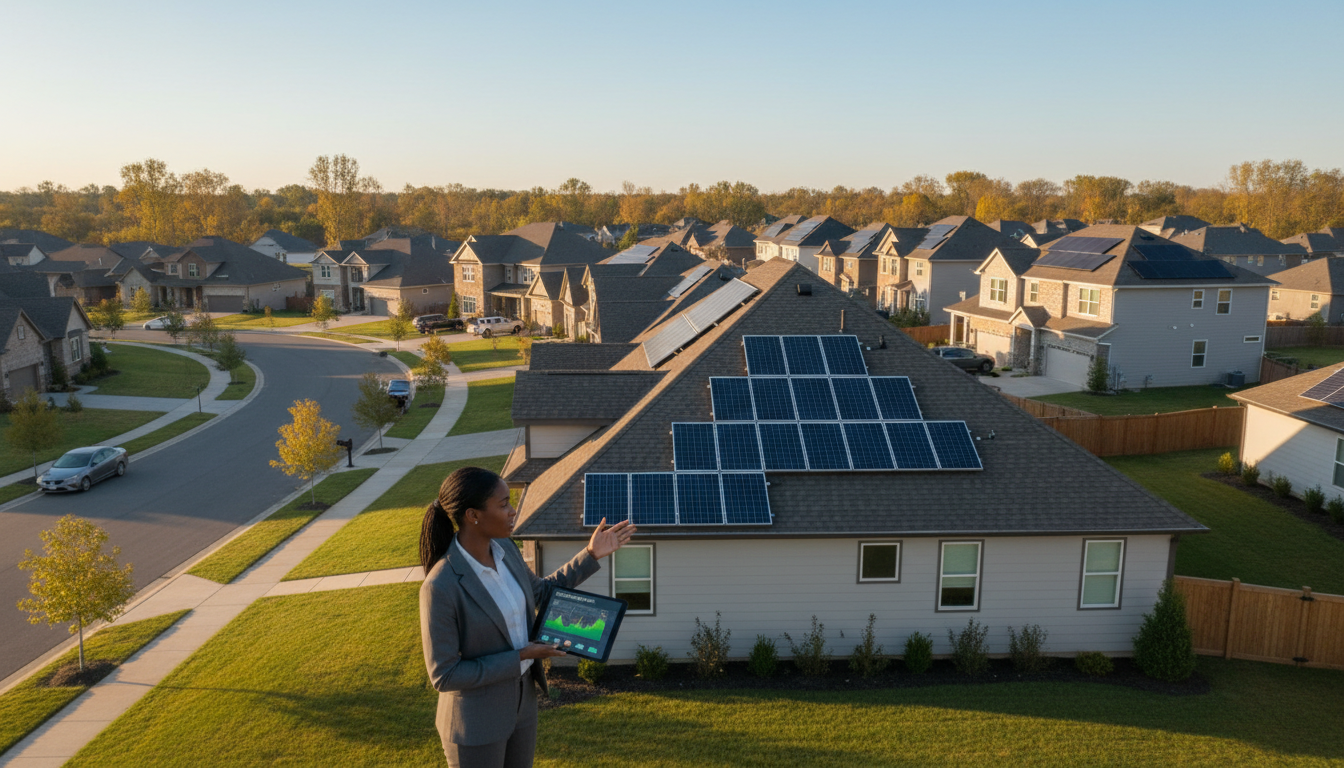
Once funding was in place, the next step was installing solar panels across strategic locations. This included rooftops of public buildings, schools, and residential areas. The integration process was meticulously planned to ensure minimal disruption and maximum efficiency.
The installation was carried out in phases, allowing the community to monitor progress and make adjustments as needed. This phased approach also provided opportunities for community members to engage and learn about solar technology.

Outcomes and Benefits
Economic Advantages
The economic benefits of the solar power project were immediately apparent. Residents experienced a significant reduction in their energy bills, which in turn increased disposable income and stimulated local spending. Moreover, the community attracted new businesses interested in clean energy solutions.
Environmental Impact
Environmentally, the shift to solar power led to a considerable decrease in carbon emissions. The community reduced its reliance on fossil fuels, contributing to a cleaner, healthier environment. This change also positioned the community as a leader in sustainability, inspiring neighboring regions to consider similar initiatives.

Community Engagement and Future Plans
Community engagement was a pivotal element throughout the project. Regular workshops and informational sessions were held to educate residents on the benefits and operation of solar energy systems. This helped build a sense of ownership and pride in the initiative.
Looking ahead, the community plans to expand its solar infrastructure and explore additional renewable energy options. The success of this project has laid a robust foundation for continued innovation, demonstrating the power of collective action and forward-thinking leadership.
In conclusion, this case study highlights the transformative potential of solar power for local communities. By investing in renewable energy, communities can achieve sustainability, economic growth, and environmental health, setting a precedent for others to follow.